
2nd Edition of Diabetes and Endocrinology World Conference 2026
Speakers - DEWC2026
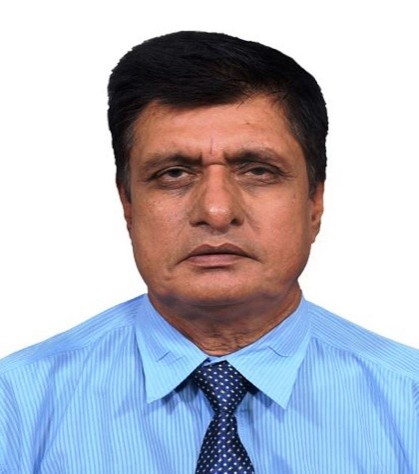
Santosh Kumar Mishra
Santosh Kumar Mishra
- Designation: Department of Life Long Learning and Extension
- Country: India
- Title: Researching into Managing Diabetes during Old Age
Abstract
Some older adults (those aged 65 years and over), both men and women, are confronted with diabetes due to multiple of factors. In this context it is pertinent to note that aging process (defined as “the progressive and natural accumulation of physical, psychological, and social changes that occur during transition from adult lifespan”) brings in several ailments and health complications. There is progressive decline organ functions over time. Aging process leads to a gradual decrease in physical and mental capacity, accompanied by growing risk of diseases of various types.
It is pertinent to note that as people age, they are more likely to experience several health complications at the same time. Some of the common health outcomes during older age include hearing loss, back and neck pain, osteoarthritis, chronic obstructive pulmonary disease, diabetes, depression and dementia. Diabetes is one of the illness that brings in several challenges during old age for men and women.
This review research is primarily aimed at investigating into managing diabetes during old age. It outlives viable steps that older adults can take to have better living with diabetes. Secondary data (largely ‘qualitative’ in nature) have been used. Data were collected from secondary sources, such as journal articles, books, book chapter, etc. Method of data analysis is ‘descriptive’. It involves desk-based research approach. Data analysis in this work also benefited from in-person interaction of the author with health care providers and other stakeholders during international conferences held in several countries (e. g., Australia, Ireland, Tajikistan, Turkey, Sweden, Vietnam, Poland, Tanzania, South Africa, etc.) in the past.
Analysis of data in this research indicates that diabetes is a serious disease that affects many older adults, both me and women. It occurs when blood glucose (also termed as “blood sugar”) is too high in the body. Some of the most common symptoms of diabetes include (a) feeling tired, (b) increased hunger or thirst, (c) losing weight without trying, (d) urinating often, (e) numbness or tingling in hands or feet, (f) slow healing of cuts and bruises, and (g) blurred vision, (h) skin infections.
Diabetes during old age is associated with several other health complications. However, it is possible to take steps to delay or prevent type--2 diabetes, which is common among older adults. There are ways to manage the condition and help prevent diabetes-related health problems. Effective management of diabetes during old age following practical and targeted strategies:
- Medication: Medications are found to carry a higher risk of adverse reactions due to changing kidney and liver function. Close monitoring is, thus, required to prevent side effects (for instance, appetite loss).
- Nutrition: Older adults need avoid overly restrictive diets that lead to malnutrition or unintentional weight loss. Focus should be placed on hydration and consistent, balanced carbohydrates, rather than cutting calories too low.
- Physical Activity: Low-impact exercises like walking, yoga, or swimming stabilize glucose without straining joints. Activities that improve balance are also vital in preventing falls (which is primary health risk factor for senior citizens.
- Routine Foot and Eye Checks: Since process aging process reduces nerve sensation, older adults are highly susceptible to unnoticed foot ulcers and infections. Regular self-examination and visit to clines are, thus, crucial.
This research briefly concludes that old age is associated with challenges associated with physical and mental health among men and women. Managing diabetes in older adults should prioritize quality of life and overall safety. The primary goal should be taking precautions for (a) preventing low blood sugar, which risks falls and cognitive issues, and (b) avoiding extremely high levels that result in dehydration or acute infection.
Welcome to the 2nd Edition of Diabetes and Endocrinology World Conference (DEWC) 2026
DEWC 2026 is a ...
Read More>>
Organizer
